


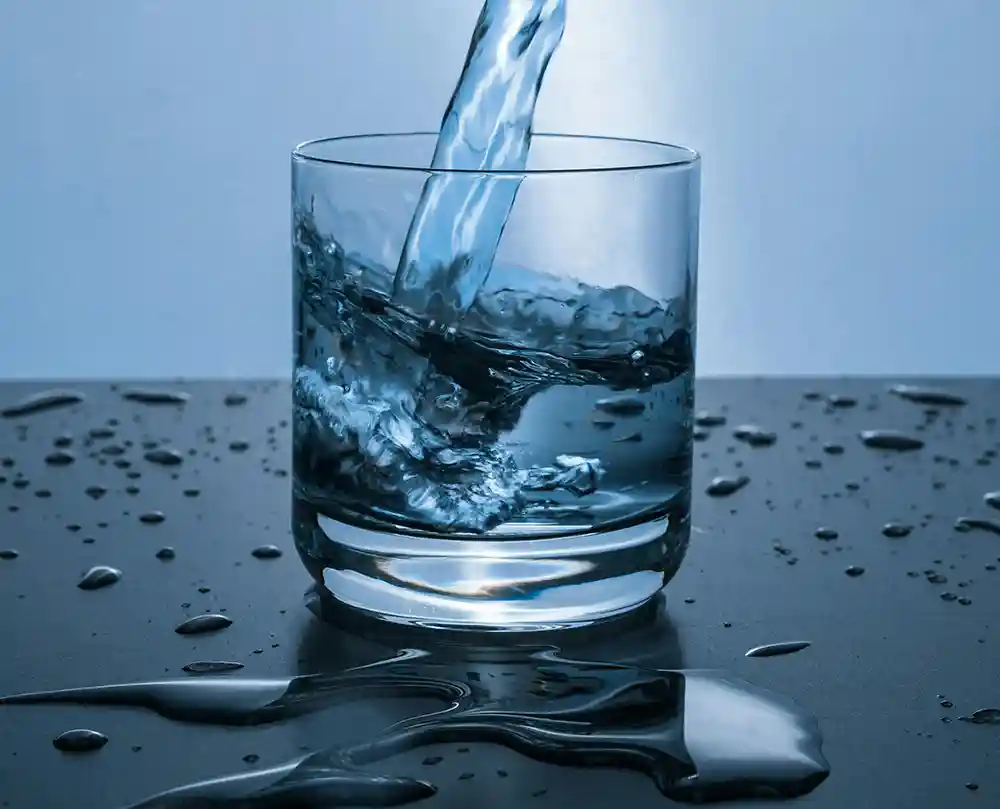
Safe Chlorine Levels in Drinking Water: What You Need to Know
Chlorine is one of the most widely used disinfectants in public water systems worldwide. It plays a critical role in protecting communities from waterborne diseases. But how much chlorine is safe in drinking water? And how can you be sure your water meets safety standards? In this blog, we’ll explore the regulations, health impacts, and technological solutions for monitoring chlorine levels effectively.
Why Chlorine is Used in Drinking Water
Since its widespread adoption in the early 20th century, chlorine has been instrumental in virtually eliminating diseases like cholera, typhoid, and dysentery in developed nations. It works by destroying harmful bacteria, viruses, and other pathogens. Chlorine also provides a “residual disinfectant” effect, meaning it continues to protect water as it travels from the treatment plant through miles of pipes to your tap.
However, maintaining the correct balance is crucial. Too little chlorine can leave water vulnerable to contamination. Too much can lead to unpleasant taste, odor, and potential health concerns.
Understanding Safe Chlorine Level Standards
Globally, health and environmental agencies set strict limits for chlorine in drinking water.
- U.S. Environmental Protection Agency (EPA): The Maximum Residual Disinfectant Level (MRDL) for chlorine is 4.0 milligrams per liter (mg/L), or 4 parts per million (ppm). This is the enforceable safety limit. The optimal target for most utilities is typically between 0.5 – 2.0 ppm at the point of delivery.
- World Health Organization (WHO): Guidelines suggest that chlorine levels up to 5 mg/L are considered safe for lifelong consumption, though taste and odor often become noticeable above 0.6–1.0 mg/L.
The key for water utilities is not just to stay under the maximum limit but to maintain a consistent, effective residual throughout the entire distribution network.
The Risks of Imbalance: Too Low vs. Too High
❌ Insufficient Chlorine (< 0.2 ppm):
- Microbial Regrowth: Loss of disinfectant residual can allow dangerous pathogens like E. coli and Legionella to proliferate in pipes.
- Public Health Risk: Increases the potential for waterborne disease outbreaks.
❌ Excessive Chlorine (> 4.0 ppm):
- Aesthetic Problems: Strong chemical taste and odor, making water unpalatable.
- Material Corrosion: Can accelerate corrosion of pipes and fixtures.
- Byproduct Formation: Can lead to higher levels of Disinfection Byproducts (DBPs), such as trihalomethanes (THMs), which are regulated separately due to long-term health concerns.
The Critical Role of Continuous Monitoring
Relying on periodic manual testing is no longer sufficient for modern water management. Fluctuations in source water quality, temperature changes, and pipeline residence time can cause chlorine levels to vary significantly.
This is where advanced, reliable water quality sensors become indispensable.
Continuous, real-time monitoring of chlorine residual allows water system operators to:
- Ensure Regulatory Compliance: Automatically maintain levels within the safe, prescribed range.
- Optimize Dosing: Adjust chlorine injection in real-time, improving efficiency and reducing chemical costs.
- Prevent Contamination: Instantly detect disinfectant loss, triggering alarms for immediate corrective action.
- Build Consumer Trust: Provide transparent, data-backed assurance of water safety.
Introducing SpecSens’s SPS-Cl Series Chlorine Sensing Solutions
At SpecSens, we engineer precision sensors designed for the demands of modern water infrastructure. Our SPS-Cl Series Chlorine Sensors provide accurate, real-time online monitoring of free chlorine (model SPS-Cl-F) and total chlorine (model SPS-Cl-T), empowering utilities to safeguard public health with confidence.
Key Features of Our SPS-Cl Chlorine Sensor
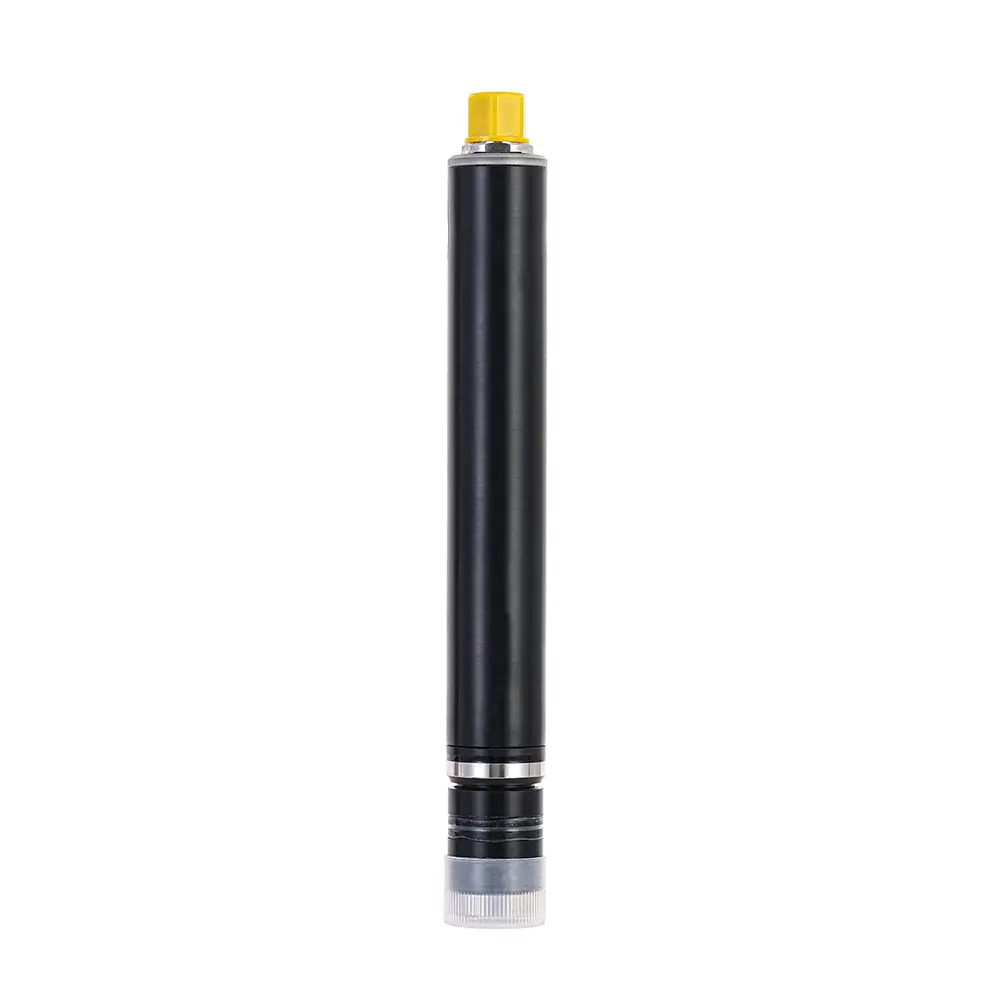
- Advanced Measurement Technology: Utilizes an amperometric potentiostat 3-electrode method with a protective membrane, effectively reducing pH interference for stable and precise readings.
- High Accuracy & Flexibility: Offers a standard measuring range of 0-2 mg/L (with a 0-20 mg/L option) and a resolution of 0.001 mg/L. Accuracy is ±3% of reading or ±0.02 mg/L, ensuring reliable data for critical decisions.
- Real-Time Data & Seamless Integration: Equipped with Modbus RTU RS485 output for easy connection to SCADA, PLC, or IoT platforms, enabling 24/7 remote monitoring and control.
- Designed for Operational Efficiency: Features a long maintenance-free period with no chemical reagent consumption, a compact and rugged IP68 design for easy flow-through installation, and low overall lifecycle costs.
Engineered for diverse applications—from tap water and distribution network monitoring to medical wastewater effluent verification—the SPS-Cl sensor delivers the dependable, continuous data that forms the foundation of proactive water quality management.
Conclusion: Safety Through Smart Technology
Safe chlorine levels are not a static target but a dynamic balance that requires constant vigilance. By leveraging precise, real-time sensor technology like the SpecSens SPS-Cl Series, water providers can move from reactive testing to intelligent management—ensuring every glass of water is not only clean and disease-free but also meets the highest standards of safety and quality.
Ready to modernize your chlorine monitoring approach?
Contact SpecSens today to learn how our SPS-Cl sensor solutions can help you optimize disinfection, ensure compliance, and protect the communities you serve.