





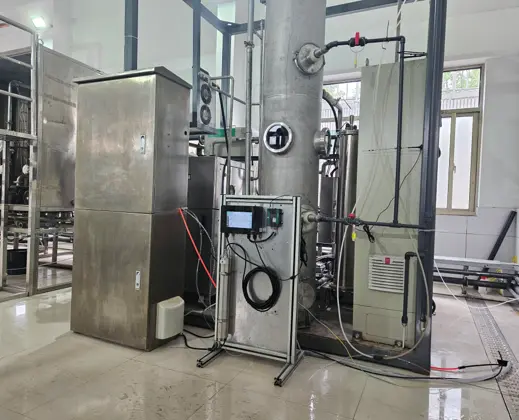
A full-spectrum water quality sensor measures multiple optical parameters in water using ultraviolet-visible absorption spectroscopy. Unlike reagent-based analyzers, it produces continuous data without chemicals, consumables, or sampling lag. It is used across municipal water treatment, industrial wastewater, and watershed monitoring for parameters including nitrate, COD, TOC, color, and ozone.
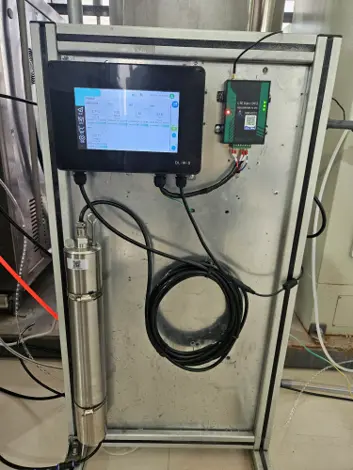
What Can a Full-Spectrum Sensor Measure?
| Paramètres | Typical Application |
| Nitrate-nitrogen | Denitrification process control |
| COD | Influent and effluent organic load |
| TOC | Drinking water and watershed monitoring |
| Couleur | Finished water quality |
| Ozone | Drinking water disinfection control |
Because the measurement is optical, the same platform can be configured for different parameters without changing the hardware. This makes it a scalable choice for plants that need more than one measurement point.
Municipal Water Treatment Applications
Denitrification Tank Effluent
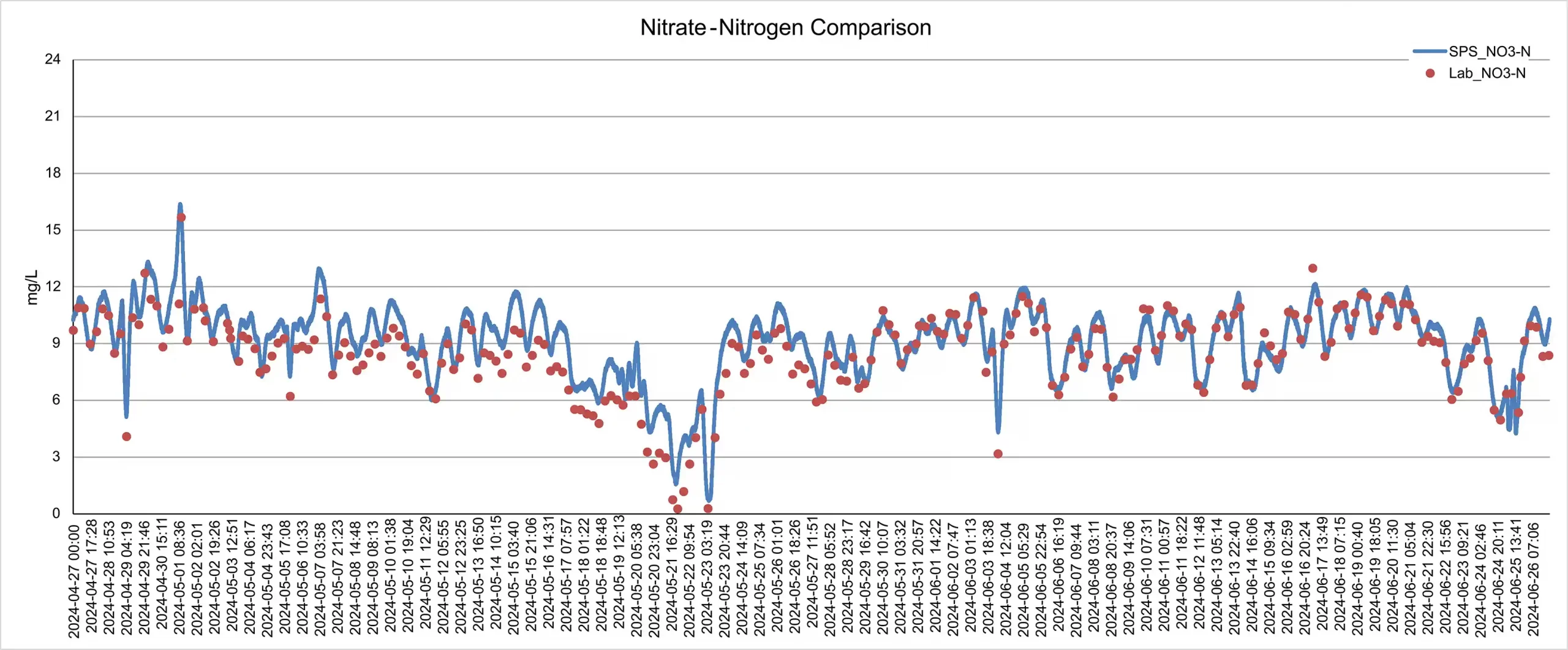
Real-time nitrate monitoring for carbon dosing control.
WWTP Inlet
COD and suspended solids monitoring under high-load conditions.
Watershed and Surface Water
Nitrate and TOC monitoring for long-term trend analysis.
Sewage Pipe Network
Unattended COD monitoring with data transmission.
Drinking Water Pipeline
Color, turbidity, and TOC monitoring under pressure.
Ozone Contactor
Ultra-low concentration ozone monitoring.
Finished Water
Color monitoring with low detection limits.
Each application has different requirements, but the same optical platform can be adapted through installation and calibration.
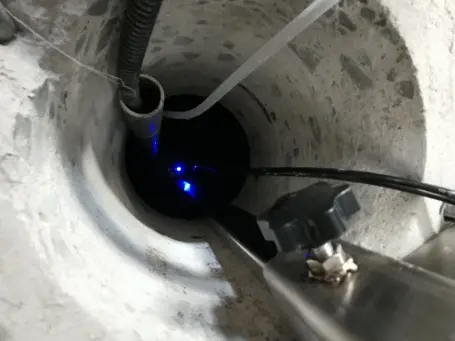
Industrial & Harsh Environment Applications
Beyond municipal treatment, full-spectrum sensors are used in industrial settings where reagent-based analyzers struggle.
Textile Dyeing Wastewater
Indigo, NaOH, and hydrosulfite monitoring.
Coal Mine Wastewater
Suspended solids measurement using combined transmission and scattering.
Watershed Monitoring
Long-term nitrate and TOC data in remote locations.
Why Choose Full-Spectrum Over Reagent-Based Analyzers?
- No reagents — no chemical handling, no waste disposal, no consumable costs
- Real-time data — continuous measurement with no sampling lag
- Multi-parameter capability — one platform, multiple optical parameters
- Low maintenance — no pumps or tubing, with self-cleaning options available
For applications requiring pH, dissolved oxygen, conductivity, and other electrochemical parameters, see our multi-parameter water quality monitoring solutions.
Conclusion
Full-spectrum sensors offer a practical alternative to reagent-based analyzers for municipal and industrial water treatment. With real-time data, no consumables, and multi-parameter flexibility, they support proactive process control rather than reactive sampling.
If you are evaluating online monitoring for your treatment process, contact us to discuss your application and see how full-spectrum technology can fit your facility.