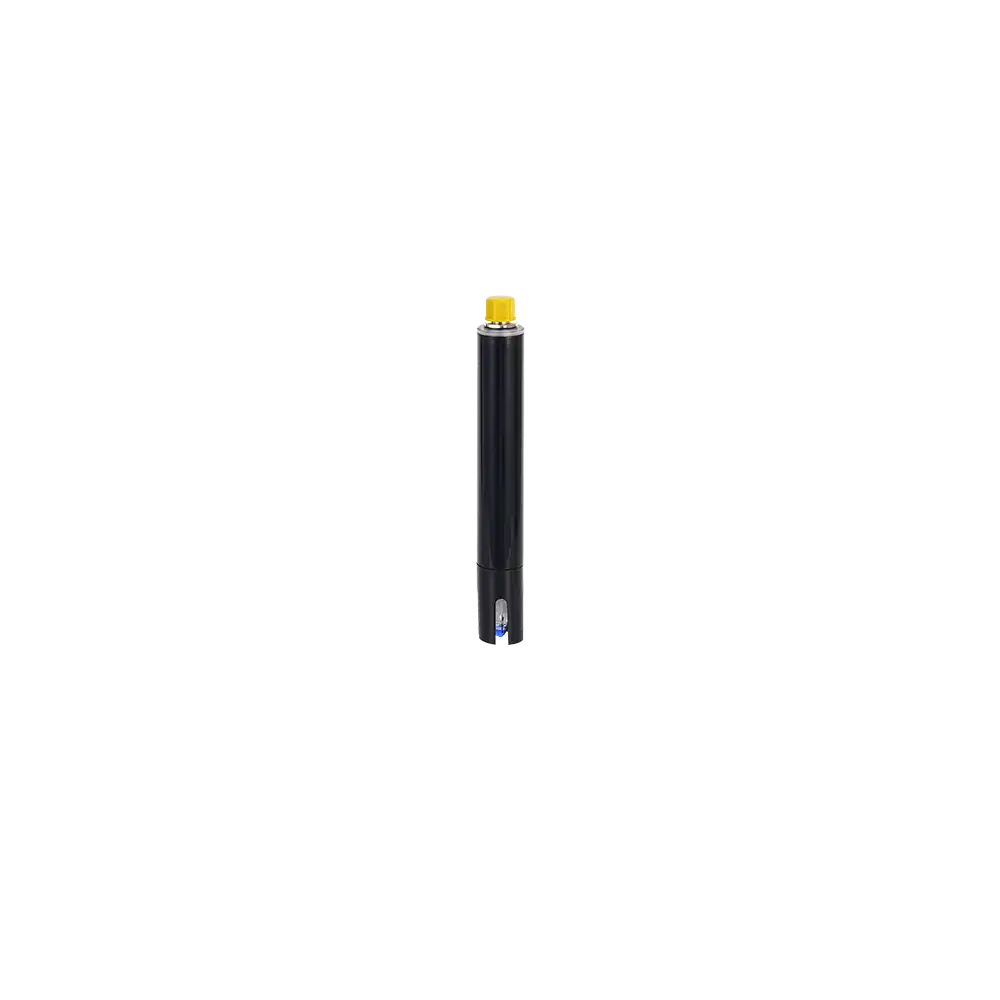


ORP (Oxidation-Reduction Potential) electrodes are incredibly versatile tools. In simple terms, an ORP electrode measures the activity or “strength” of oxidizing and reducing agents in a solution, giving a millivolt (mV) reading that indicates the solution’s tendency to either gain or lose electrons.
Here is a detailed breakdown of where ORP electrodes are applied across various industries and applications:
1. Water Treatment and Quality Management
This is the most common and critical application area for ORP.
- Drinking Water Disinfection: ORP is a direct and reliable way to monitor the effectiveness of disinfectants like chlorine, ozone, or chlorine dioxide. A high positive ORP value (e.g., +650 mV) indicates that the disinfectant is actively killing pathogens, ensuring water is safe to drink.
- Swimming Pools and Spas: ORP controllers are used to automatically dose chlorine or bromine to maintain clean and safe water. This is more effective than just measuring pH or chlorine concentration alone, as ORP reflects the actual sanitizing power.
- Wastewater Treatment: ORP is crucial in the biological treatment stages.
- Nitrogen Removal: It helps control the switch between aerobic (for carbon removal) and anoxic/anaerobic conditions (for denitrification). Specific ORP setpoints signal when nitrates are being successfully converted to nitrogen gas.
- Phosphorus Removal: ORP is used to create the alternating anaerobic and aerobic conditions necessary for enhanced biological phosphorus removal.
- Cooling Tower Water: Monitoring ORP helps optimize biocide addition to prevent biofouling and Legionella growth.
2. Industrial Processes
ORP is used for process control and quality assurance in various manufacturing sectors.
- Pulp and Paper Industry: ORP is used to monitor and control chlorine dioxide bleaching stages, ensuring optimal brightening of pulp while minimizing chemical usage and environmental impact.
- Metal Finishing and Plating: ORP is critical in etching baths and cleaning solutions. It helps maintain the activity of the etching solution (e.g., ferric chloride for copper) and signals when the bath is exhausted and needs replenishment.
- Chemical Manufacturing: It is used to monitor and control redox reactions, ensuring they go to completion and that the final product has the desired properties.
- Food and Beverage Production:
- CIP (Clean-in-Place) Systems: ORP sensors verify the concentration and effectiveness of oxidative sanitizers like peracetic acid (PAA) or chlorine-based solutions used to clean pipelines and tanks.
- Winemaking and Brewing: ORP can be monitored during various stages (fermentation, aging) to understand and control the wine’s or beer’s development, as oxidation can greatly affect flavor and shelf-life.
3. Environmental and Agricultural Monitoring
- Natural Water Bodies: Scientists use ORP to assess the health of lakes, rivers, and groundwater. Low (negative) ORP values in sediments or deep water indicate anaerobic conditions, which can lead to the release of metals like manganese and iron or harmful gases like hydrogen sulfide.
- Soil and Groundwater Remediation: ORP is measured to determine the redox state of contaminated sites. This information is vital for designing in-situ remediation strategies, such as injecting chemicals to promote the breakdown of pollutants.
- Hydroponics and Aquaponics: Monitoring ORP in nutrient solutions can provide an overall picture of the solution’s “vitality” and its ability to suppress pathogens, contributing to healthier plant growth.
4. Biotechnology and Life Sciences
- Fermentation: In large-scale microbial fermentations (e.g., for producing antibiotics, enzymes, or biofuels), ORP is a key process variable. It provides insight into the metabolic state of the microorganisms and can be used to control the process for higher yield.
- Cell Culture: Similar to fermentation, ORP is monitored in mammalian cell cultures to understand the cellular environment and optimize growth conditions.
5. Food Safety and Sanitation
- Surface Sanitizing: The effectiveness of sanitizing rinses on food contact surfaces can be verified by testing the ORP of the solution. Regulatory guidelines often specify minimum ORP levels for certain sanitizers.
- Produce Wash Water: Maintaining a high ORP in wash water for fruits and vegetables helps reduce microbial load and extend shelf life.
In summary, ORP electrodes are applied anywhere there is a need to monitor or control the oxidative or reductive state of a process, making them indispensable in water treatment, industrial manufacturing, environmental science, and biotechnology.