



Что такое мутность
Мутность - это показатель прозрачности воды. Взвешенные частицы, такие как ил, водоросли, планктон и сточные воды, могут вызывать мутность воды. Эти частицы рассеивают и поглощают свет, препятствуя его прямолинейной передаче через воду.
Более высокое значение мутности указывает на большее количество взвешенных частиц, что означает, что вода более непрозрачная и "густая". Чистая вода имеет низкий уровень мутности.
Методы измерения мутности
Нефелометрический метод (рассеянный свет):
- Обнаруживает рассеянный свет. Детектор закреплен под углом 90° к источнику падающего света, улавливая свет, направление которого было изменено взвешенными частицами.
- Высокочувствительный для образцы с низкой турбулентностью (например, питьевая вода, очищенная вода). Он точно улавливает сигнал рассеяния от небольшого количества частиц. Значение мутности прямо пропорционально интенсивности рассеянного света.

Метод пропускания:
- Обнаруживает проходящий свет. Детектор находится на одной линии с источником падающего света, захватывая прямой луч, который проходит через жидкость, не блокируясь частицами.
- Более отзывчивый для образцы со средней и высокой мутностью (например, промышленные сточные воды, канализационные стоки). Большее количество частиц приводит к большему ослаблению проходящего света, что делает этот метод пригодным для количественного определения высоких концентраций взвешенных твердых частиц.
- Восприимчивость к помехам от собственного цвета жидкости (колориметрическая интерференция), так как цвет может дополнительно поглощать проходящий свет. Общепринятые единицы измерения - JTU (Jackson Turbidity Unit) или FTU.

Зачем следить за мутностью?
Измерение мутности оценивает физическую чистоту и безопасность жидкости путем количественного определения содержания в ней взвешенных твердых частиц. Это важный основополагающий параметр для мониторинга качества воды, промышленных процессов и научных исследований.
Обеспечение безопасности на воде:
- Мутность является ключевым показателем для определения соответствия питьевой и хозяйственной воды стандартам. Вода с высокой мутностью может содержать бактерии, вирусы, тяжелые металлы и другие загрязняющие вещества, что повышает сложность дезинфекции и создает непосредственный риск для здоровья.
Контроль качества промышленных процессов:
- Во многих отраслях промышленности предъявляются строгие требования к прозрачности жидкости. Например, высокая мутность фармацевтической очищенной воды или сверхчистой воды для электроники может привести к некачественному лекарственному препарату или короткому замыканию электронных компонентов.
Поддержка экологического и научного мониторинга:
- В экологическом мониторинге измерение мутности в реках, озерах и океанах помогает определить, подвержены ли водные объекты заилению, воздействию промышленных стоков или канализационных вод, предоставляя данные для поддержки экологического менеджмента.
Как выбрать датчик мутности
Низкодиапазонный датчик мутности SPS-T-SC3: Основанный на принципе рассеянного на 90° света, он использует лазерный источник света с высокой параллельностью и автоматической коррекцией интенсивности, в паре с высокочувствительным детектором.

SPS-T-SC1 Датчик мутности/взвешенных твердых частиц (концентрации осадка): Основан на принципах измерения мутности и взвешенных частиц под углом 90° и обратного рассеяния света.

Датчик мутности SPS-T-SC4: Комбинирует измерение рассеянного света под углом 90° с методом пропускания для измерения мутности и взвешенных твердых частиц.
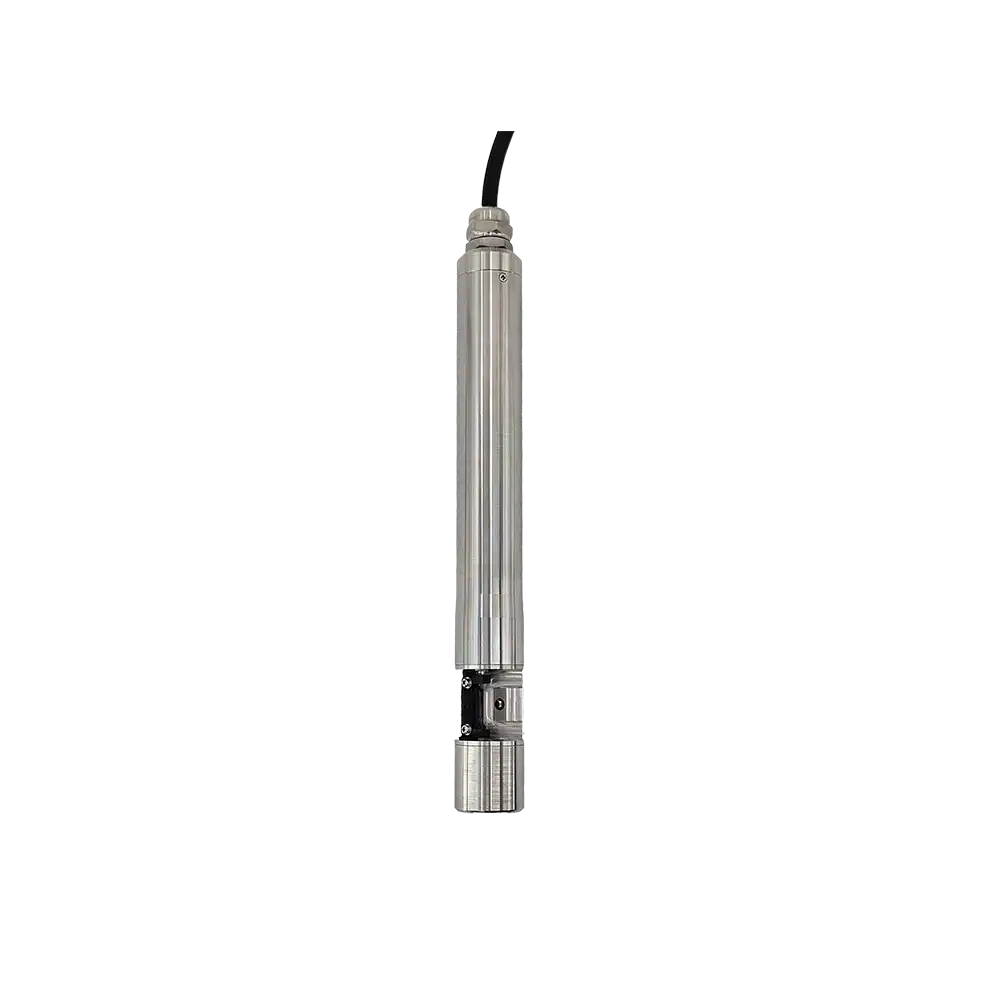
Полный спектр, многоволновый, и двухволновый В датчиках также обычно используется метод пропускания. Эти датчики в основном подходят для диапазонов средних и высоких концентраций и не идеальны для мониторинга мутности в низких диапазонах. В частности, для относительно чистых очищенных сточных вод измеренное значение может быть равно нулю, и результат не будет получен.
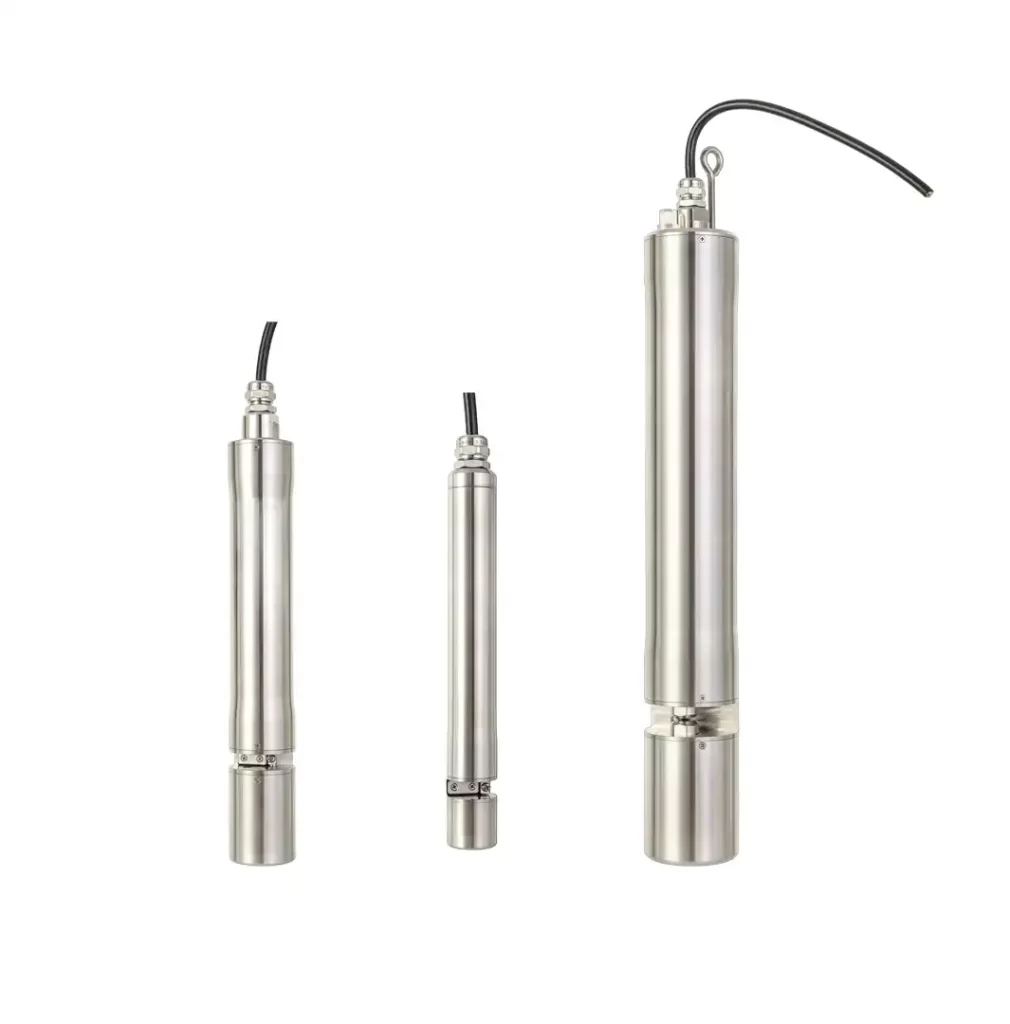
Сравнительная таблица выбора:
| Продукт | SPS-T-SC3 | SPS-T-SC1 | SPS-T-SC4 | SPS-F / M / D |
|---|---|---|---|---|
| Точность | ±2% или ±0,015 NTU | ±5% или ±0,1 NTU | ±3% или ±0,015 NTU | ±3% или ±10 NTU |
| Диапазон | 0-100 NTU | 0-4000 NTU | 0-1000 NTU | 0-1000 NTU |
| Предел обнаружения | 0,005 NTU | 0,1 NTU | 0,02 NTU | 5 NTU |
| Принцип | Нефелометрический | Нефелометрический | Нефелометрия + пропускание | Пропускание |
| Установка | Проточный | Погружной | Погружной | Погружной |
| Рейтинг IP | IP65 | IP68 | IP68 | IP68 |
| Приложение | Питьевая вода | Сточные воды / поверхностные воды | Сточные воды / поверхностные воды | Неочищенные сточные воды |